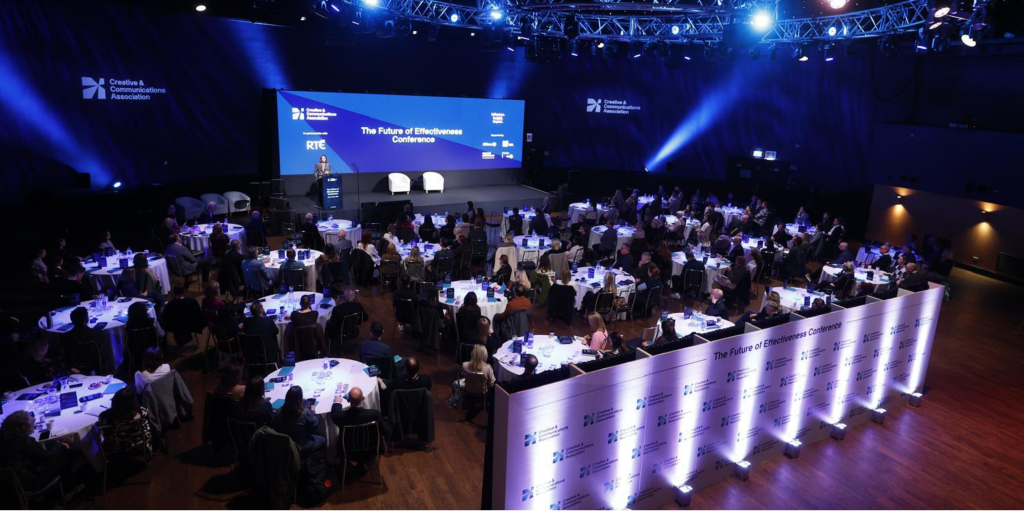
The inaugural Future of Effectiveness Conference brought together leaders from across marketing, media, communications and business to explore a timely challenge: how do we create work that delivers real value, while building an industry capable of sustaining that impact?
Creativity Still Drives Growth
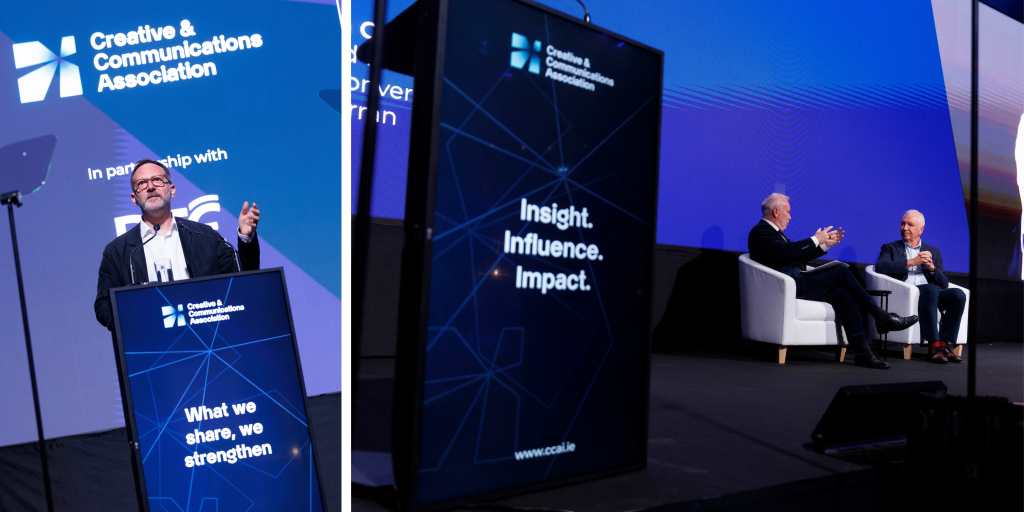
Opening the conference, Zaid Al-Qassab argued that some of the biggest drivers of effectiveness are often the hardest to measure. Strong client-agency relationships, better briefs and a greater willingness to back creativity all contribute to better business outcomes. His message was clear: creativity remains marketing’s most powerful weapon, but only when organisations create the conditions for it to succeed.
That theme continued with David Wheldon, who urged the industry to ensure that as marketing evolves from “hearts and minds” to “hearts, minds and machines”, the first two remain at the centre. AI has a role to play, but ideas, craft and human judgement matter more than ever.
Strong Brands Outperform
A recurring discussion throughout the day was the relationship between brand building and performance marketing.
Drawing on findings from WARC’s Multiplier Playbook, Nicola Tillin highlighted the risks of over-investing in short-term activation at the expense of long-term brand growth. Advertising, she argued, has two jobs: driving action today while building memory structures and associations that influence future decisions.
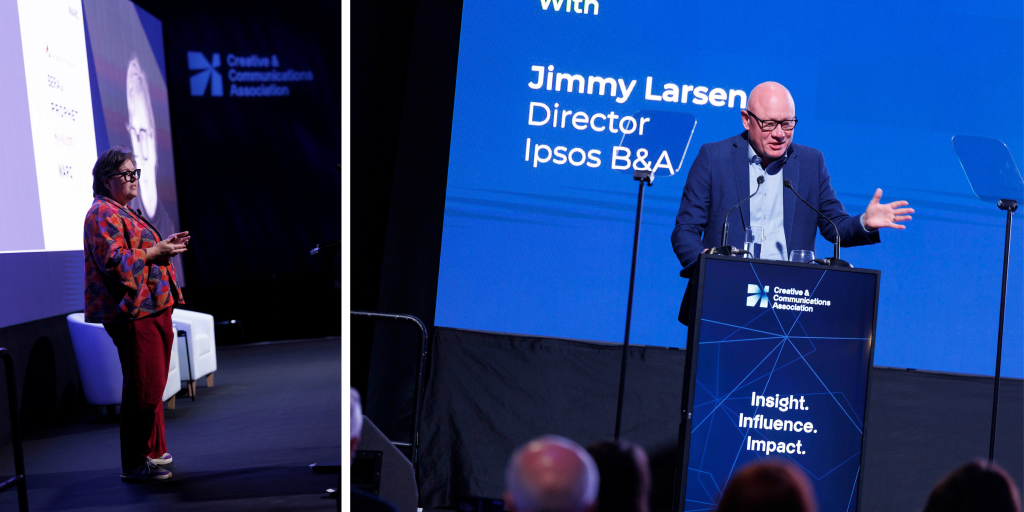
That balance between immediate results and sustained growth was reinforced by Ipsos, whose analysis of Effie Ireland entries found the strongest work typically combines clear commercial objectives, deep audience understanding and consistent brand-building activity.
Evidence Creates Confidence
Rather than viewing effectiveness as a box-ticking exercise, speakers repeatedly positioned it as a tool for better decision-making.
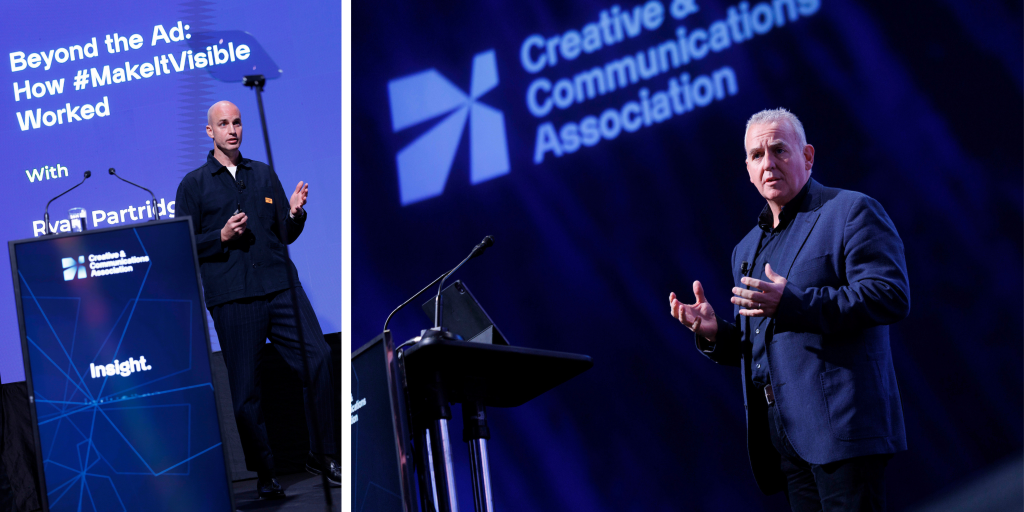
Ryan Partrige Wylie stressed that great effectiveness cases are ultimately stories of cause and effect, showing how an identified problem led to a measurable change in behaviour. Meanwhile, Alistair Macrow challenged marketers to embrace greater accountability, communicate more clearly and focus relentlessly on growth rather than marketing jargon.
The message was simple: evidence doesn’t limit creativity. It helps it travel further.
Understanding People Matters Most
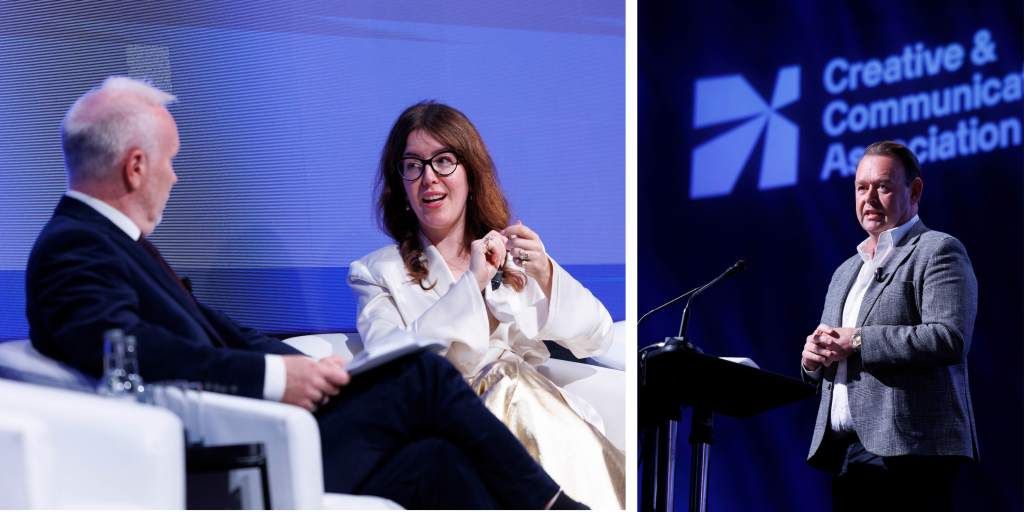
For Chupi Sweetman, effectiveness is built through storytelling, authenticity and human connection. Sharing the growth story behind her business, she highlighted the power of bringing audiences on a journey and the importance of communicating through people rather than brands alone.
Similarly, Gavin Deans explored how brands can become meaningful participants in the moments and communities that people care about most. Effectiveness, he argued, comes from finding where you genuinely matter rather than where you can simply be seen.
Experience Is Becoming a Stronger Driver of Brand Growth
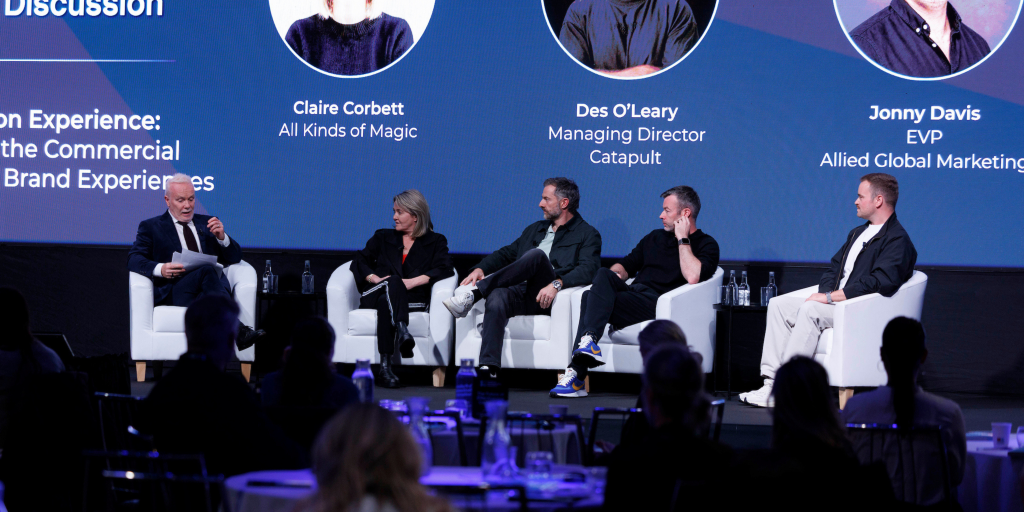
The conference concluded with a panel discussion exploring the growing role of brand experience with Claire Corbett, Des O’Leary, Jonny Davis and Mark McGrath.
Panellists agreed that experiences can no longer be viewed as standalone activations. When rooted in insight, aligned to business objectives and measured correctly, they can drive both cultural relevance and commercial return. In an increasingly digital world, shared experiences continue to offer brands an opportunity to create memorable connections with audiences.
Looking Ahead
If there was one takeaway from the day, it was that effectiveness extends beyond individual campaigns. It is reflected in the strength of our relationships, the quality of our evidence, our willingness to learn and our ability to adapt.
The Future of Effectiveness Conference was not simply about celebrating what works. It was about understanding why it works and using that learning to build stronger work, stronger businesses and a stronger industry for the future.